
In the field of Aids to Navigation (AtoN), not all installations require long-range solutions or oversized energy configurations. In many cases, the key lies in selecting equipment that delivers reliable performance tailored to the actual needs of each installation.
In this context, compact lanterns provide an optimized balance between size and performance, making them an efficient solution for a wide range of scenarios.
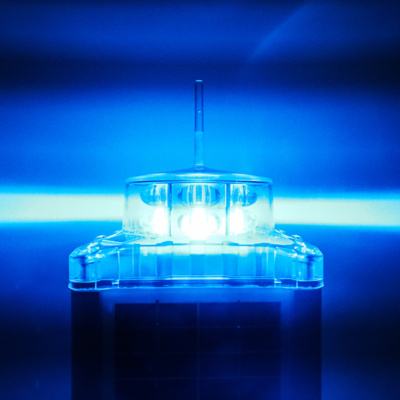
The MCL360-XS by MSM follows this approach, offering a range of up to 7 nautical miles, an autonomy of up to 400 hours without solar charging, and a compact, lightweight design that facilitates integration into multiple environments.
Optimized performance in low solar radiation conditions
There are many locations where solar radiation availability is structurally or seasonally limited. In these cases, maximizing energy harvesting is essential to ensure service continuity.
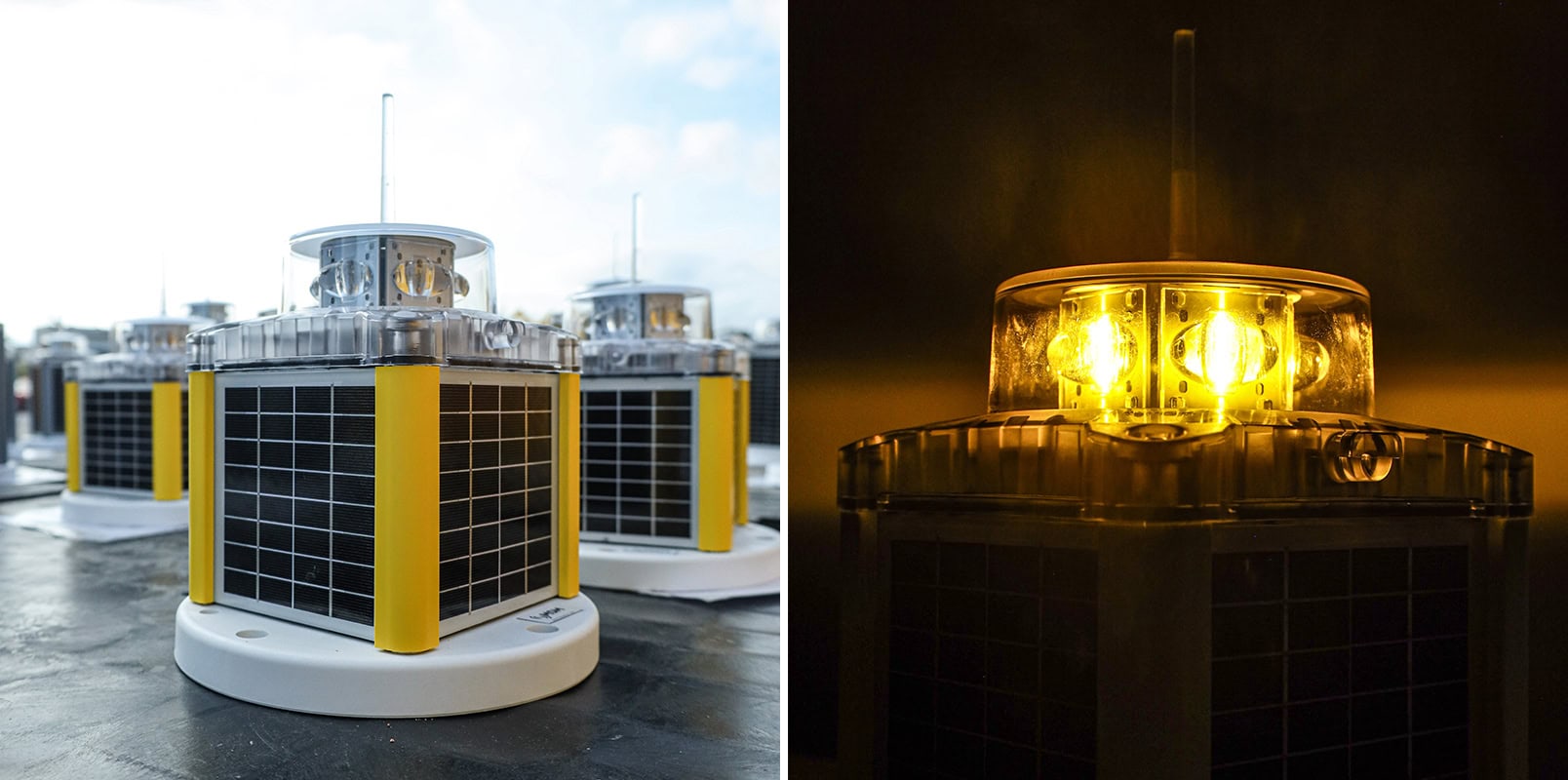
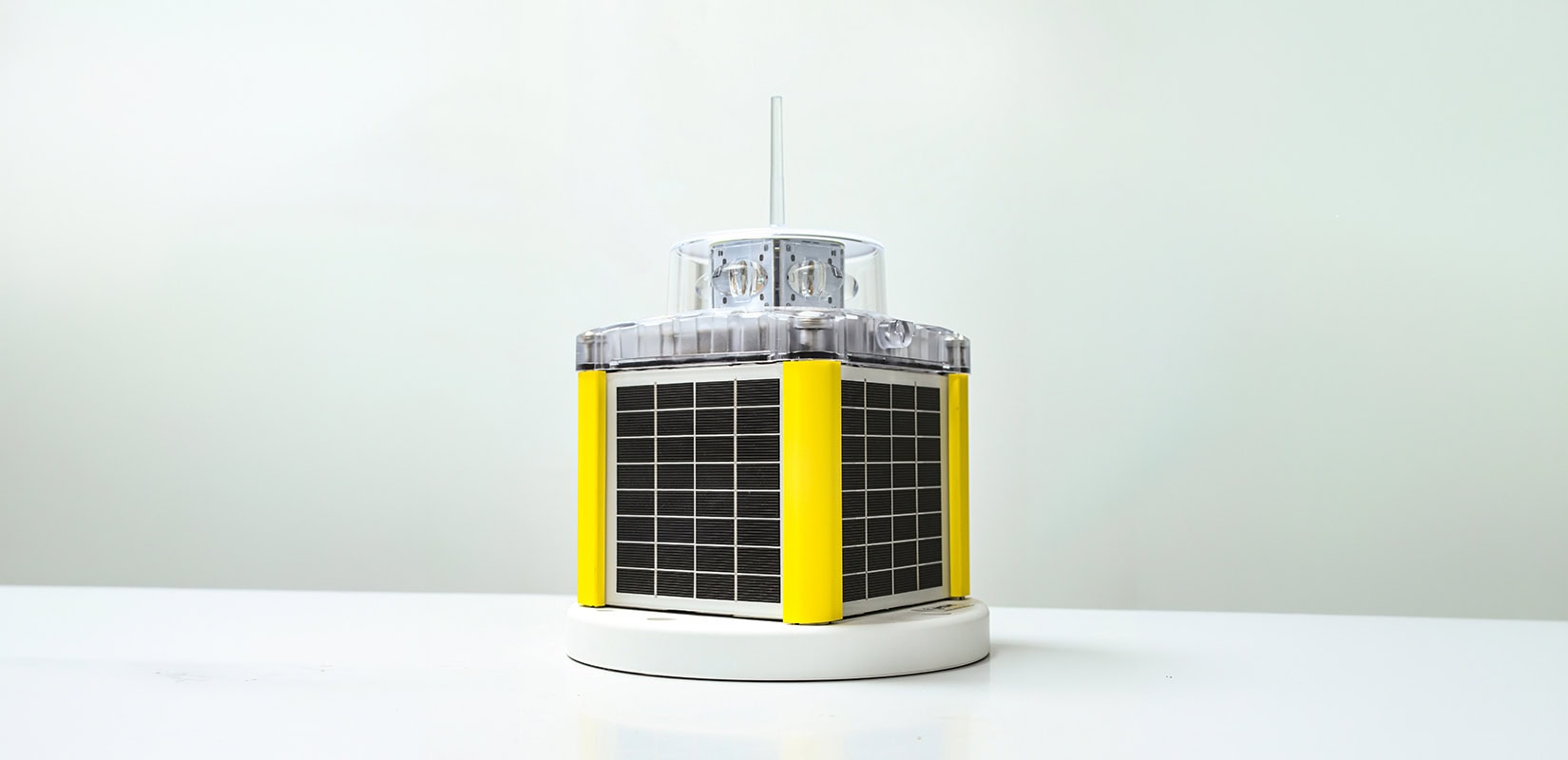
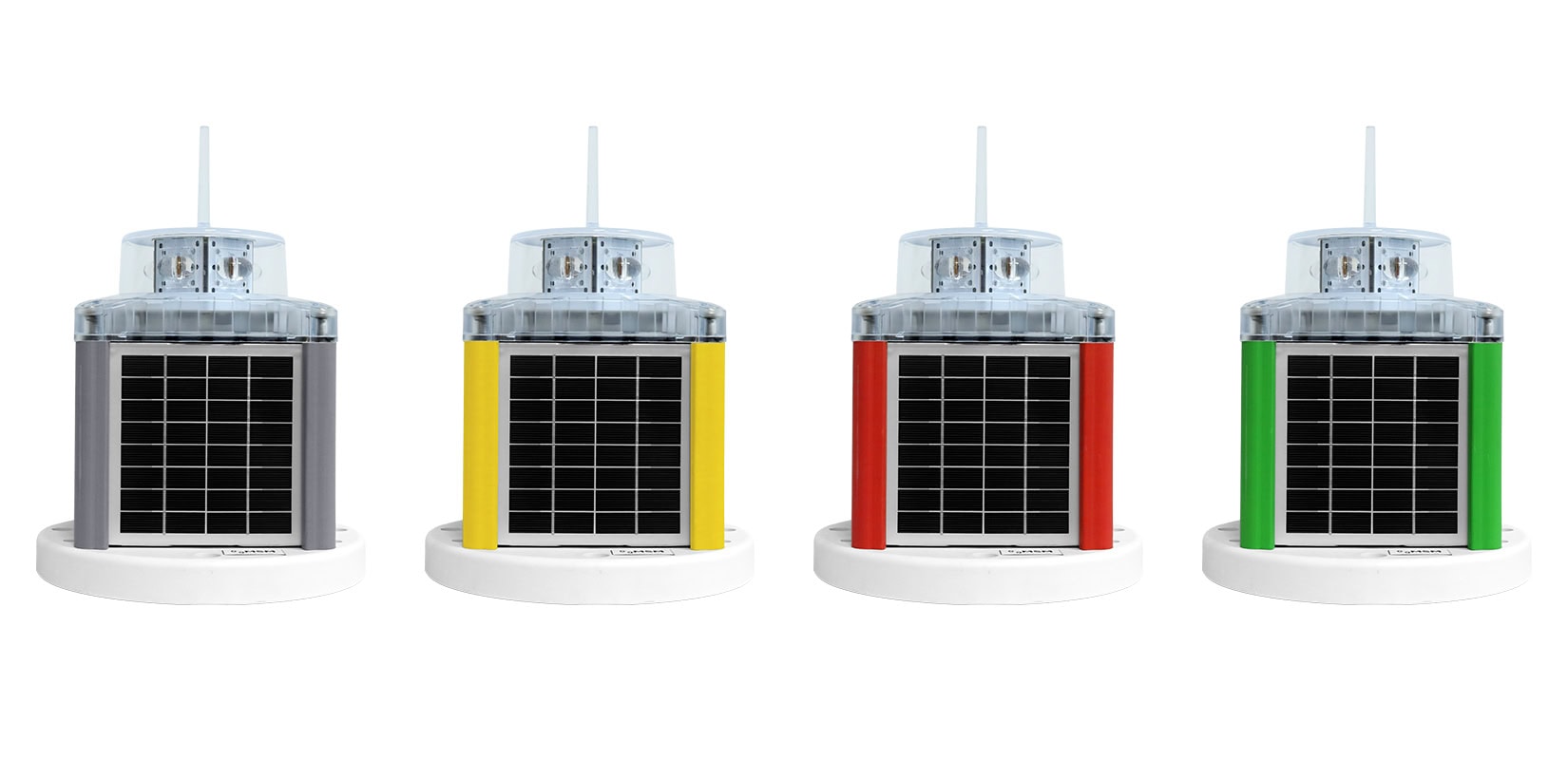
The MCL360-XS features solar panels on all four sides, optimizing energy capture throughout the day, even under low radiation conditions or varying angles of incidence.
Combined with its low power consumption thanks to LED technology, this design ensures reliable operation in scenarios where other solutions would require greater energy resources.
It is particularly suitable for:
- Areas with adverse weather conditions
- Locations with low solar radiation
- Applications requiring short to medium light range
Reliability in port and operational environments
In port infrastructures, long-range lighting is not always necessary. In many cases, signaling is focused on access areas, inner basins, or specific zones where signal clarity is more important than distance.
In these applications, a lantern like the MCL360-XS provides an efficient, right-sized solution, avoiding system oversizing.
Its range of up to 7 NM, combined with autonomous operation, makes it ideal for:
- Medium and small-sized ports
- Inner port access areas
Moreover, its operational reliability ensures service continuity without the need for unnecessarily complex solutions.
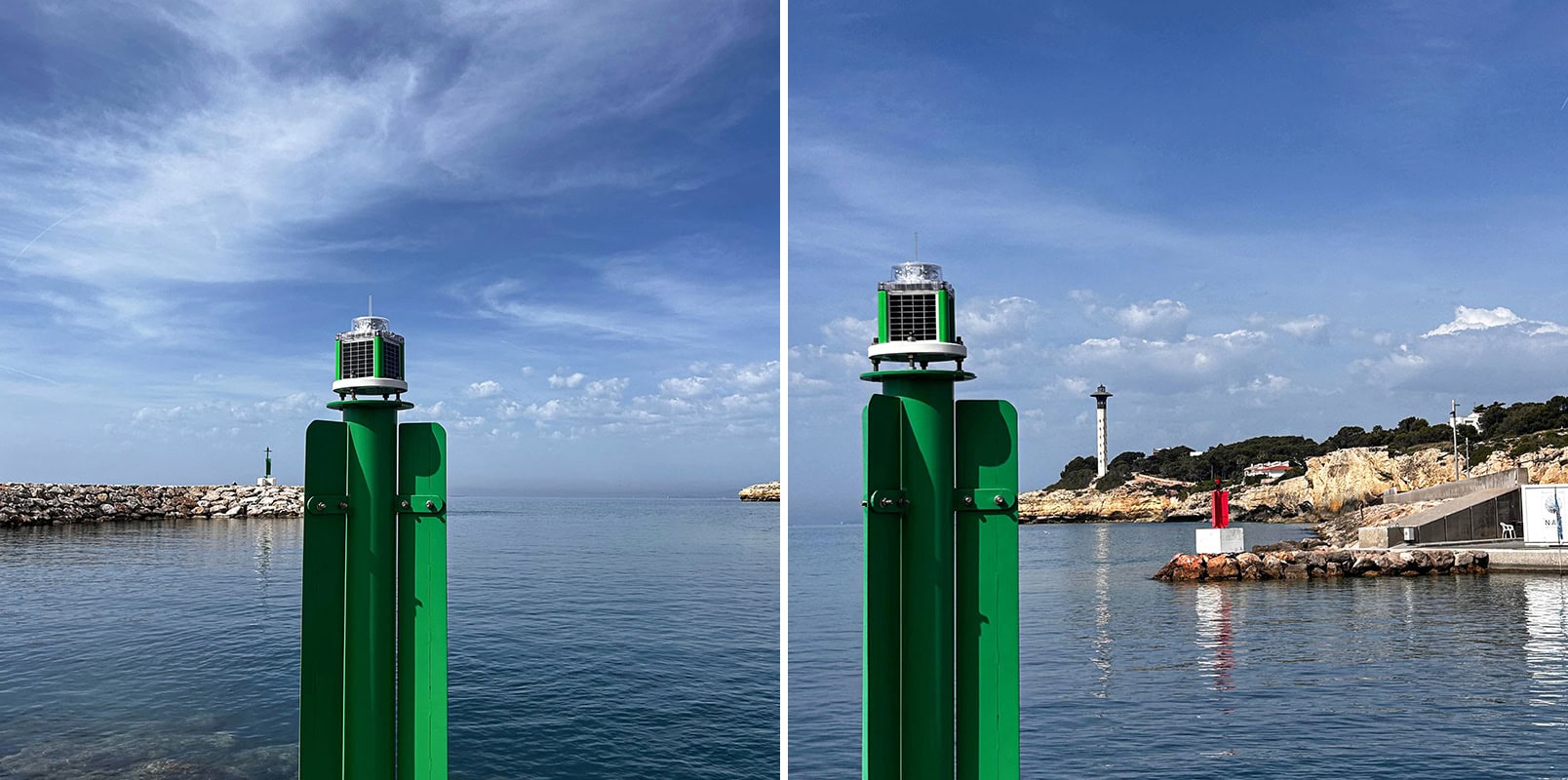
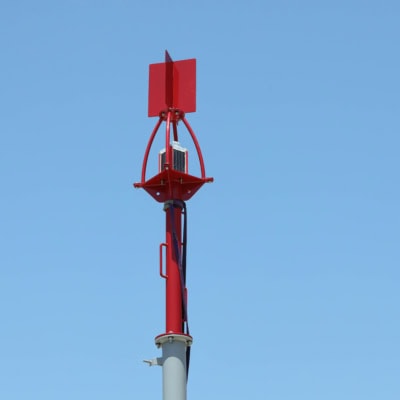
MCL360-XS LED compact lantern installed at Port of Torredembarra in Catalonia
Integration into space-constrained structures
Physical constraints are common in buoyage projects, especially in compact buoys, existing structures, or installations with limited available space.
The compact and lightweight design of the MCL360-XS facilitates installation in these environments, maintaining strong performance without compromising project feasibility.
This makes it particularly suitable for:
- Retrofit projects
- Small buoys
- Structures with load or space limitations
Maintenance optimization across different environments
While many applications are located in remote areas, there are also accessible installations where the goal remains to reduce interventions and optimize resources.
Thanks to its autonomy of up to 400 hours without solar charging and its efficient design, the MCL360-XS helps extend maintenance intervals and reduce the need for technical interventions.
This provides value in:
- Remote installations
- Hard-to-access locations
- Port infrastructures seeking operational efficiency
A versatile solution for real-world applications
Beyond its technical features, the value of the MCL360-XS lies in its ability to adapt to different scenarios without oversizing the solution.
Its combination of:
- Range up to 7 NM
- Vertical divergence of 5°, 8°, or 10°
- Four-sided solar panels
- Low-consumption LED technology
- Compact and lightweight design
makes it a versatile tool for projects requiring reliability, efficiency, and ease of integration, adapting seamlessly to both fixed and floating installations.
Designed to fit the reality of each project
Selecting an aid to navigation should not be based solely on maximum performance, but on its actual suitability to environmental conditions and operational requirements.
In this sense, the MCL360-XS provides a balanced solution for applications where compact size, reliable performance, and efficient energy management are key factors.